\n
\n \n
\n \n 
\n <
p style="color:#f37d21\;font-size:22px\;">
Charting a third path: Fair use\, open access\, an
d university-built datasets for academic AI\n
\n
Presented by Bernar d Becker Medical Library\, Center for Health & Sci ence Communication at Becker Library and WashU Lib raries\, in recognition of International Open Acce ss Week.
\n \nResearchers who want to apply AI and text-data-mining methods to large collecti ons face a familiar bind: the materials they need are hard to reach\, and the two paths on offer bot h carry costs. Commercial AI developers gather tex t at scale with little transparency\, while publis hers increasingly ask universities to license ever y computational use. This talk makes the case for a third path. It revisits why fair use is a built- in safeguard for research rather than a loophole\, drawing on the mass-digitization decisions that s ettled the point\, and situates that doctrine with in the federal open-access and information policy now facing legal challenge. It then turns to Trans parent Books\, a Mellon-funded partnership among H athiTrust\, Northeastern\, and Authors Alliance th at gives academic researchers a community-governed \, noncommercial way to build their own datasets f or AI work grounded in scholarly values.
\n \n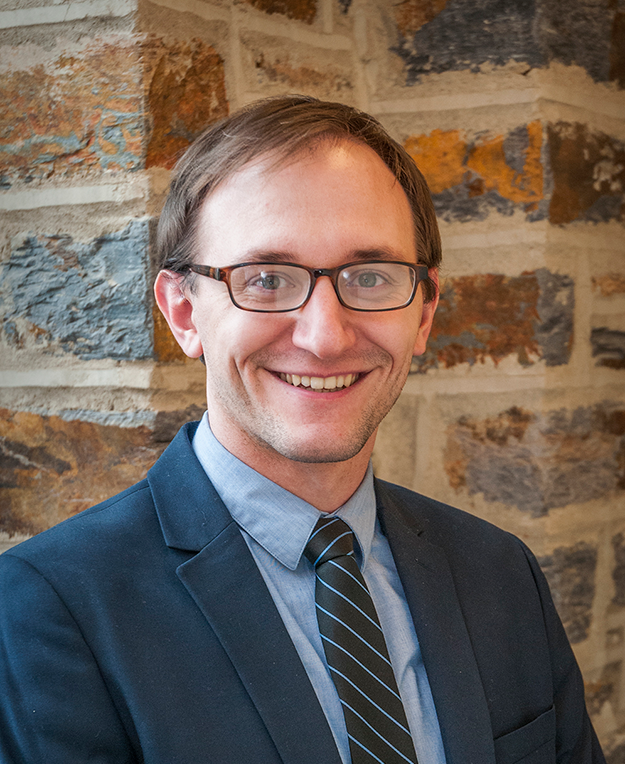
\n Executive Direct
or
\n Authors Alliance
Dave Hansen is the Ex ecutive Director of Authors Alliance. Prior to joi ning the Authors Alliance\, Dave was an Associate University Librarian and Lead for Copyright & Info rmation Policy at Duke University Libraries\, wher e he was responsible for core research and collect ions support for faculty and students. Dave has te stified before Congress\, the U.S. Copyright Offic e\, and the USPTO on copyright\, AI\, open access\ , and fair use issues affecting academic authors a nd universities\, and has experience teaching and advising researchers\, publishers\, and librarians on copyright\, fair use\, and authors rights. He received his JD and MSLS from UNC Chapel Hill.
DESCRIPTION:\n \n \n \n \n \n \n \n \n \n Charting a third pat h: Fair use\, open access\, and university-built d atasets for academic AI\n \n \n \n \n \n \n \n \n \n \n \n \n Presented by Bernard Becker Medical L ibrary\, Center for Health & Science Communication at Becker Library and WashU Libraries\, in recogn ition of International Open Access Week.\n \n \n \ n Researchers who want to apply AI and text-data-m ining methods to large collections face a familiar bind: the materials they need are hard to reach\, and the two paths on offer both carry costs. Comm ercial AI developers gather text at scale with lit tle transparency\, while publishers increasingly a sk universities to license every computational use . This talk makes the case for a third path. It re visits why fair use is a built-in safeguard for re search rather than a loophole\, drawing on the mas s-digitization decisions that settled the point\, and situates that doctrine within the federal open -access and information policy now facing legal ch allenge. It then turns to Transparent Books\, a Me llon-funded partnership among HathiTrust\, Northea stern\, and Authors Alliance that gives academic r esearchers a community-governed\, noncommercial wa y to build their own datasets for AI work grounded in scholarly values.\n \n \n \n Dave Hansen\n \n Executive Director\n \n Authors Alliance\n \n \n \ n \n \n \n Dave Hansen is the Executive Director of Authors Alliance. Prior to joining the Authors Alliance\, Dave was an Associate University Librar ian and Lead for Copyright & Information Policy at Duke University Libraries\, where he was responsi ble for core research and collections support for faculty and students. Dave has testified before Co ngress\, the U.S. Copyright Office\, and the USPTO on copyright\, AI\, open access\, and fair use is sues affecting academic authors and universities\, and has experience teaching and advising research ers\, publishers\, and librarians on copyright\, f air use\, and authors rights. He received his JD a nd MSLS from UNC Chapel Hill.\n \n CATEGORIES:Presentation/Lecture CALSCALE:GREGORIAN DTSTAMP;TZID=America/Chicago:20261020T120000 DTSTART;TZID=America/Chicago:20261020T120000 DTEND;TZID=America/Chicago:20261020T130000 LOCATION:Zoom link will be provided before the session\n URL:https://becker.wustl.edu/civicrm/event/info/?reset=1&id=960 END:VEVENT BEGIN:VEVENT UID:CiviCRM_EventID_956_4648ad046ce9282d92c6599c5429c299@becker.wustl.edu SUMMARY:Introduction to Python - Data Visualization X-ALT-DESC;FMTTYPE=text/html:This ha nds-on workshop introduces Python libraries common ly used for plotting and demonstrates the creation of data visualizations using Python.
DESCRIPTION:This hands-on workshop introduces Python libraries commonly used for plotting and demonstrates the c reation of data visualizations using Python.\n \n CATEGORIES:Workshop CALSCALE:GREGORIAN DTSTAMP;TZID=America/Chicago:20261022T100000 DTSTART;TZID=America/Chicago:20261022T100000 DTEND;TZID=America/Chicago:20261022T113000 LOCATION:Erlanger Interactive Classroom and Virtually on Zo om\n McDonnell Medical Sciences Building\, Floor 1 (near the Shell café)\n 660 S. Euclid Ave.\n St. Louis\, MO 63110\n United States\n URL:https://becker.wustl.edu/civicrm/event/info/?reset=1&id=956 END:VEVENT BEGIN:VEVENT UID:CiviCRM_EventID_962_4648ad046ce9282d92c6599c5429c299@becker.wustl.edu SUMMARY:Find evidence of research impact in policy using O verton (and more!) X-ALT-DESC;FMTTYPE=text/html:
Presented by Bernard Becker Medical Li brary\, Center for Health &\; Science Communica tion at Becker Library and WashU Libraries\, in re cognition of International Open Access Week.
\n \nIn this session\, attendees will:
\n \n Inesia Adolph
Discove r how agentic AI is transforming engineering workf lows with MATLAB and Simulink. In this session\, w e will explore how AI agents can assist with writi ng MATLAB code\, running simulations\, analyzing r esults\, debugging models and iterating on designs while engineers remain in control of the process. Participants will learn how MATLAB and Simulink p rovide engineering-specific capabilities through t rusted computational tools\, simulation-driven val idation and curated agent skills that accelerate d evelopment and decision-making. The session will a lso showcase practical examples of agentic AI appl ied to Model-Based Design\, control systems and en gineering analysis workflows.
\n \n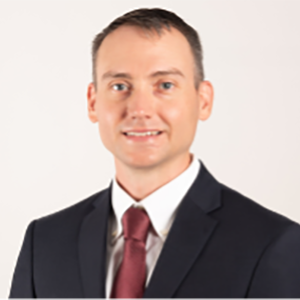
Jon Loftin is a Senior Customer Success En gineer at MathWorks. Jon&rsquo\;s background is in mathematics. More specifically\, implementing mat hematics in a computer. He holds degrees in mathem atics: a BS from Southern Arkansas University\, a MS from the University of Arkansas\, and a Ph.D. f rom Texas Tech University. He has had years of tea ching experience\, from teaching at the Naval Nucl ear Power School to teaching as an Assistant Profe ssor. Jon&rsquo\;s research focus is building effi cient integration techniques in finite element met hods.
\n \nQuestions? Contact Maze Ndukum a t ndukummaze@wustl.e du.
DESCRIPTION:Discover how agentic AI is transforming engineerin g workflows with MATLAB and Simulink. In this sess ion\, we will explore how AI agents can assist wit h writing MATLAB code\, running simulations\, anal yzing results\, debugging models and iterating on designs while engineers remain in control of the p rocess. Participants will learn how MATLAB and Sim ulink provide engineering-specific capabilities th rough trusted computational tools\, simulation-dri ven validation and curated agent skills that accel erate development and decision-making. The session will also showcase practical examples of agentic AI applied to Model-Based Design\, control systems and engineering analysis workflows.\n \n \n \n \n \n \n \n Jon Loftin is a Senior Customer Success Engineer at MathWorks. Jon’s background is in math ematics. More specifically\, implementing mathemat ics in a computer. He holds degrees in mathematics : a BS from Southern Arkansas University\, a MS fr om the University of Arkansas\, and a Ph.D. from T exas Tech University. He has had years of teaching experience\, from teaching at the Naval Nuclear P ower School to teaching as an Assistant Professor. Jon’s research focus is building efficient integr ation techniques in finite element methods.\n \n \ n \n Questions? Contact Maze Ndukum at ndukummaze@ wustl.edu (mailto:ndukummaze@wustl.edu).\n \n CATEGORIES:Workshop CALSCALE:GREGORIAN DTSTAMP;TZID=America/Chicago:20261029T140000 DTSTART;TZID=America/Chicago:20261029T140000 DTEND;TZID=America/Chicago:20261029T150000 LOCATION:Zoom link will be provided before the workshop\n URL:https://becker.wustl.edu/civicrm/event/info/?reset=1&id=966 END:VEVENT BEGIN:VEVENT UID:CiviCRM_EventID_958_4648ad046ce9282d92c6599c5429c299@becker.wustl.edu SUMMARY:Introduction to R - Data Analysis using Base R X-ALT-DESC;FMTTYPE=text/html:Join us to learn about the R programming language\, R dat a objects and basic R code for some common data an alysis tasks. A small example dataset will be used to demonstrate data exploration\, manipulation\, and visualization using built-in functions in base R.
DESCRIPTION:Join us to learn about the R programming language\ , R data objects and basic R code for some common data analysis tasks. A small example dataset will be used to demonstrate data exploration\, manipula tion\, and visualization using built-in functions in base R.\n \n CATEGORIES:Workshop CALSCALE:GREGORIAN DTSTAMP;TZID=America/Chicago:20261104T100000 DTSTART;TZID=America/Chicago:20261104T100000 DTEND;TZID=America/Chicago:20261104T113000 LOCATION:Erlanger Interactive Classroom and Virtually on Zo om\n McDonnell Medical Sciences Building\, Floor 1 (near the Shell café)\n 660 S. Euclid Ave.\n St. Louis\, MO 63110\n United States\n URL:https://becker.wustl.edu/civicrm/event/info/?reset=1&id=958 END:VEVENT BEGIN:VEVENT UID:CiviCRM_EventID_963_4648ad046ce9282d92c6599c5429c299@becker.wustl.edu SUMMARY:Less is more: Crafting and delivering compelling m essages X-ALT-DESC;FMTTYPE=text/html:As a re searcher\, you are highly knowledgeable in your fi eld\, and writing a scholarly paper or presenting your latest findings is usually easy. But explaini ng your work to people outside your professional c ircle may be difficult\, especially if you have li mited time. In this workshop\, you will learn and practice how to:
\n \nSpeakers:
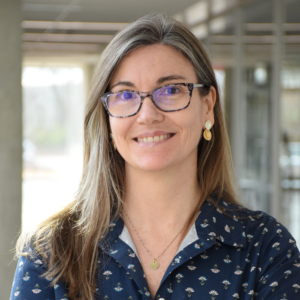
\n 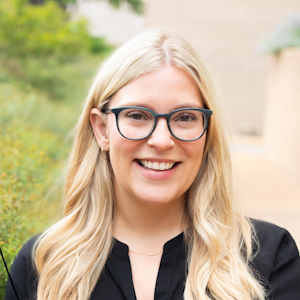 Mychal Voorhe
es
Mychal Voorhe
es
\n Senior Health Communication Specialist<
br />\n Center for Health &\; Science Communica
tion at Becker Library
 Monica Sala-Raban
al
Monica Sala-Raban
al
\n Science Communication Specialist
\
n Center for Health &\; Science Communication a
t Becker Library
Coffee and pastries will b e served. This session is open to everyone at Wash U\, but registration is required.
DESCRIPTION:As a researcher\, you are highly knowledgeable in your field\, and writing a scholarly paper or pres enting your latest findings is usually easy. But e xplaining your work to people outside your profess ional circle may be difficult\, especially if you have limited time. In this workshop\, you will lea rn and practice how to:\n \n \n \n \n Eliminate j argon to improve clarity and accessibility\n Dist ill your core message down to its most vital eleme nts\n Deliver memorable messages tailored to shor t timeframes and diverse audiences\n \n \n Speaker s:\n \n Mychal Voorhees\n \n Senior Health Communi cation Specialist\n \n Center for Health & Science Communication at Becker Library\n \n \n \n \n \n \n Monica Sala-Rabanal\n \n Science Communication Specialist\n \n Center for Health & Science Commu nication at Becker Library\n \n \n \n \n \n \n Co ffee and pastries will be served. This session is open to everyone at WashU\, but registration is re quired.\n \n CATEGORIES:Presentation/Lecture CALSCALE:GREGORIAN DTSTAMP;TZID=America/Chicago:20261110T100000 DTSTART;TZID=America/Chicago:20261110T100000 DTEND;TZID=America/Chicago:20261110T113000 LOCATION:Bernard Becker Medical Library - Room 405\n URL:https://becker.wustl.edu/civicrm/event/info/?reset=1&id=963 END:VEVENT BEGIN:VEVENT UID:CiviCRM_EventID_964_4648ad046ce9282d92c6599c5429c299@becker.wustl.edu SUMMARY:November SciComm Journal Club X-ALT-DESC;FMTTYPE=text/html:\nIn our ne xt SciComm Journal Club session\, we will discuss evolving perspectives and policies on the use of a rtificial intelligence (AI) to draft a research pa per or assist with peer review. Does the type of u se or the section of the paper matter? Does it mak e a difference if the use of AI is disclosed? In < a href="https://www.nature.com/articles/d41586-025 -01463-8" rel="noreferrer noopener" target="_blank ">Is it OK for AI to write science papers? Nature survey shows researchers are split\, participa nts will gain insight into how academic researcher s across countries and career stages view these is sues and will have an opportunity to share their o wn perspectives. Katie Funk (Bernard Becker Medica l Library) will facilitate the discussion.
\n \ nCome together with people from different fiel ds\, professional avenues and career stages&mdash\ ;all with a shared interest in science communicati on\, but each with their unique perspective. Readi ng is suggested but not required to attend. Refres hments will be served!
\n \nFacilitator:
\
n  Katie Funk
\n Associate Director
\n
Bernard Becker Medical Library
This event i s open to all of WashU and is hosted by the Center for Health &\; Science Communication at Becker Library. Contact Monica Sala-Rabanal at msala@wustl.edu with any ques tions.
DESCRIPTION:\n .crm-section.event_contact-section > div.contac t-statement {\n display:none\;\n }\n button.edit-l ink {\n display:none\;\n }\n \n In our next SciCo mm Journal Club session\, we will discuss evolving perspectives and policies on the use of artificia l intelligence (AI) to draft a research paper or a ssist with peer review. Does the type of use or th e section of the paper matter? Does it make a diff erence if the use of AI is disclosed? In Is it OK for AI to write science papers? Nature survey show s researchers are split (https://www.nature.com/ar ticles/d41586-025-01463-8)\, participants will gai n insight into how academic researchers across cou ntries and career stages view these issues and wil l have an opportunity to share their own perspecti ves. Katie Funk (Bernard Becker Medical Library) w ill facilitate the discussion.\n \n \n \n Come tog ether with people from different fields\, professi onal avenues and career stages—all with a shared i nterest in science communication\, but each with t heir unique perspective. Reading is suggested but not required to attend. Refreshments will be serve d!\n \n \n \n Facilitator:\n \n Katie Funk\n \n As sociate Director\n \n Bernard Becker Medical Libra ry\n \n \n \n \n \n \n This event is open to all of WashU and is hosted by the Center for Health & Science Communication at Becker Library. Contact Monica Sala-Rabanal at msala@wustl.edu (mailto:msa la@wustl.edu) with any questions.\n \n CATEGORIES:Presentation/Lecture CALSCALE:GREGORIAN DTSTAMP;TZID=America/Chicago:20261111T150000 DTSTART;TZID=America/Chicago:20261111T150000 DTEND;TZID=America/Chicago:20261111T160000 LOCATION:Farrell Learning and Teaching Center - Room 205\n United States\n URL:https://becker.wustl.edu/civicrm/event/info/?reset=1&id=964 END:VEVENT BEGIN:VEVENT UID:CiviCRM_EventID_957_4648ad046ce9282d92c6599c5429c299@becker.wustl.edu SUMMARY:Introduction to R - using R Packages: ggplot2 X-ALT-DESC;FMTTYPE=text/html:This ha nds-on workshop introduces the fundamentals of R p ackages and demonstrates basic data visualizations using ggplot2 in RStudio.
DESCRIPTION:This hands-on workshop introduces the fundamentals of R packages and demonstrates basic data visuali zations using ggplot2 in RStudio.\n \n CATEGORIES:Workshop CALSCALE:GREGORIAN DTSTAMP;TZID=America/Chicago:20261112T090000 DTSTART;TZID=America/Chicago:20261112T090000 DTEND;TZID=America/Chicago:20261112T103000 LOCATION:Erlanger Interactive Classroom and Virtually on Zo om\n McDonnell Medical Sciences Building\, Floor 1 (near the Shell café)\n 660 S. Euclid Ave.\n St. Louis\, MO 63110\n United States\n URL:https://becker.wustl.edu/civicrm/event/info/?reset=1&id=957 END:VEVENT BEGIN:VEVENT UID:CiviCRM_EventID_965_4648ad046ce9282d92c6599c5429c299@becker.wustl.edu SUMMARY:SciComm Seminar: Adapting health communication for today's information landscape X-ALT-DESC;FMTTYPE=text/html:In toda y&rsquo\;s fragmented health information landscape \, building trust is essential. Drawing on her own journey from an anti-vaccine household to the fro nt lines of science communication\, Elisabeth Marn ik\, PhD\, explores evidence-informed strategies f or health professionals: leveraging personal narra tive\, leading difficult conversations with empath y\, and prebunking misinformation. Attendees will leave with practical tools to reach people in thei r communities.
\n \nObjectives:
\n \nSpeaker:
\n 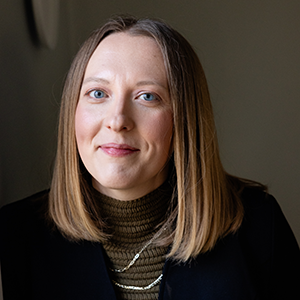 Elisabeth Marnik\, PhD
\n Executive Director
\n The Evidence Collective
Elisabeth Marnik\, PhD\, is a science communicator and immun ologist. Drawing on personal experience growing up anti-science\, she launched Science Whiz Liz in 2 020 and now serves as Executive Director of \; The Evidence Coll ective\, a network of scientists\, clinicians and trusted communicators bringing deep expertise and proven reach to evidence-based health communic ation. She holds a PhD in genetics and immunology from Tufts University.
\n \nThis event is o pen to all at WashU\, but registration is required . Please register to receive the Zoom link\, which will be provided before the event.
DESCRIPTION:In today’s fragmented health information landscape \, building trust is essential. Drawing on her own journey from an anti-vaccine household to the fro nt lines of science communication\, Elisabeth Marn ik\, PhD\, explores evidence-informed strategies f or health professionals: leveraging personal narra tive\, leading difficult conversations with empath y\, and prebunking misinformation. Attendees will leave with practical tools to reach people in thei r communities.\n \n \n \n Objectives:\n \n \n \n \ n Explain the benefits of narrative-based communi cation and identify at least one opportunity to in corporate storytelling into their practice.\n App ly an empathy-first framework for navigating resis tant or polarized health conversations that center s the person before the information.\n Distinguis h prebunking from debunking and understand the val ue of prebunking in reaching communities.\n Ident ify communication habits and word choices that may unintentionally create distance from the communit ies they support.\n \n \n Speaker:\n \n Elisabeth Marnik\, PhD\n \n Executive Director\n \n The Evid ence Collective\n \n \n \n \n \n \n Elisabeth Mar nik\, PhD\, is a science communicator and immunolo gist. Drawing on personal experience growing up an ti-science\, she launched Science Whiz Liz in 2020 and now serves as Executive Director of The Evide nce Collective (https://www.evicollective.org/)\, a network of scientists\, clinicians and trusted c ommunicators bringing deep expertise and proven re ach to evidence-based health communication. She ho lds a PhD in genetics and immunology from Tufts Un iversity.\n \n \n \n This event is open to all at WashU\, but registration is required. Please regis ter to receive the Zoom link\, which will be provi ded before the event.\n \n CATEGORIES:Presentation/Lecture CALSCALE:GREGORIAN DTSTAMP;TZID=America/Chicago:20261112T140000 DTSTART;TZID=America/Chicago:20261112T140000 DTEND;TZID=America/Chicago:20261112T150000 LOCATION:Virtual\n URL:https://becker.wustl.edu/civicrm/event/info/?reset=1&id=965 END:VEVENT BEGIN:VEVENT UID:CiviCRM_EventID_967_4648ad046ce9282d92c6599c5429c299@becker.wustl.edu SUMMARY:Becker archives roadshow - November edition: Food\ , recipes and parties! X-ALT-DESC;FMTTYPE=text/html:
L earn more about the upcoming roadshow events\, including a sneak peek at some of the pieces that will be featured!
\n \n